
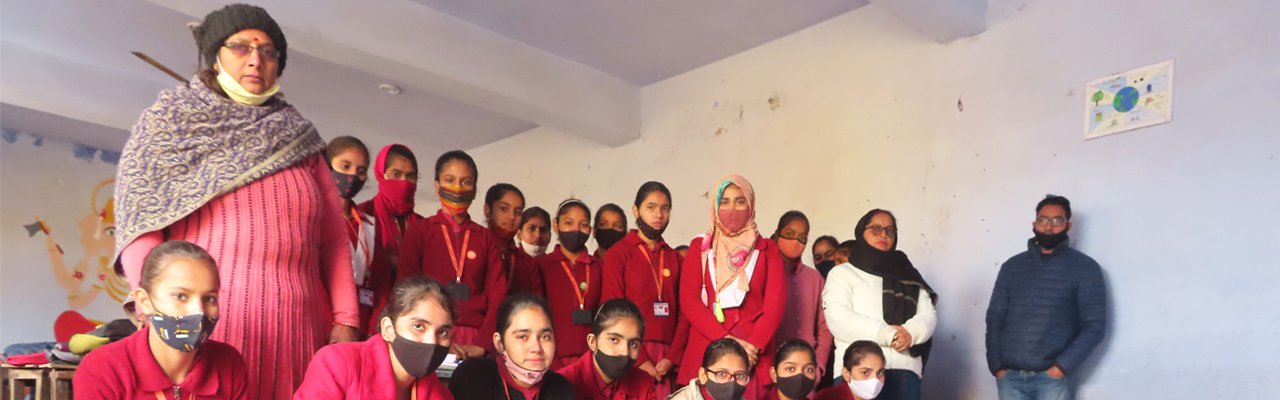
A focus on development of skills in women would be crucial in motivating them to develop life skills that will lead to higher paying and good quality jobs, better livelihood, economic independence and the ability to earn for their families.
Rural women’s restricted access to productive resources, educational levels and the pre-existing social norms concerning labour that is proper for women, tend to confine them to lower-paying, lower-status jobs with limited prospects for skill training and promotion, thus keeping them bound to their lower status. In many rural firms, widespread patterns of insecure employment and transitory and unstable contractual arrangements restrict employers from providing training to women. Rural women’s vocational education and training are sometimes restricted to a small number of female-dominated areas, reinforcing their traditional roles and obligations. While such training improves their economic options, it limits their opportunities to gain from newer, non-traditional professions such as information and communication technology . Hence, proper skill training along with effective awareness generation campaigns become a prerequisite to bridge the gap between the options women have available to them and what they actually have the potential and inclination to take up.